Mehndi Ceremony: The Complete Guide to the South Asian Henna Celebration
Discover the meaning, rituals, henna designs, music, and modern trends of the Mehndi ceremony — your complete guide to planning a memorable pre-wedding henna night.

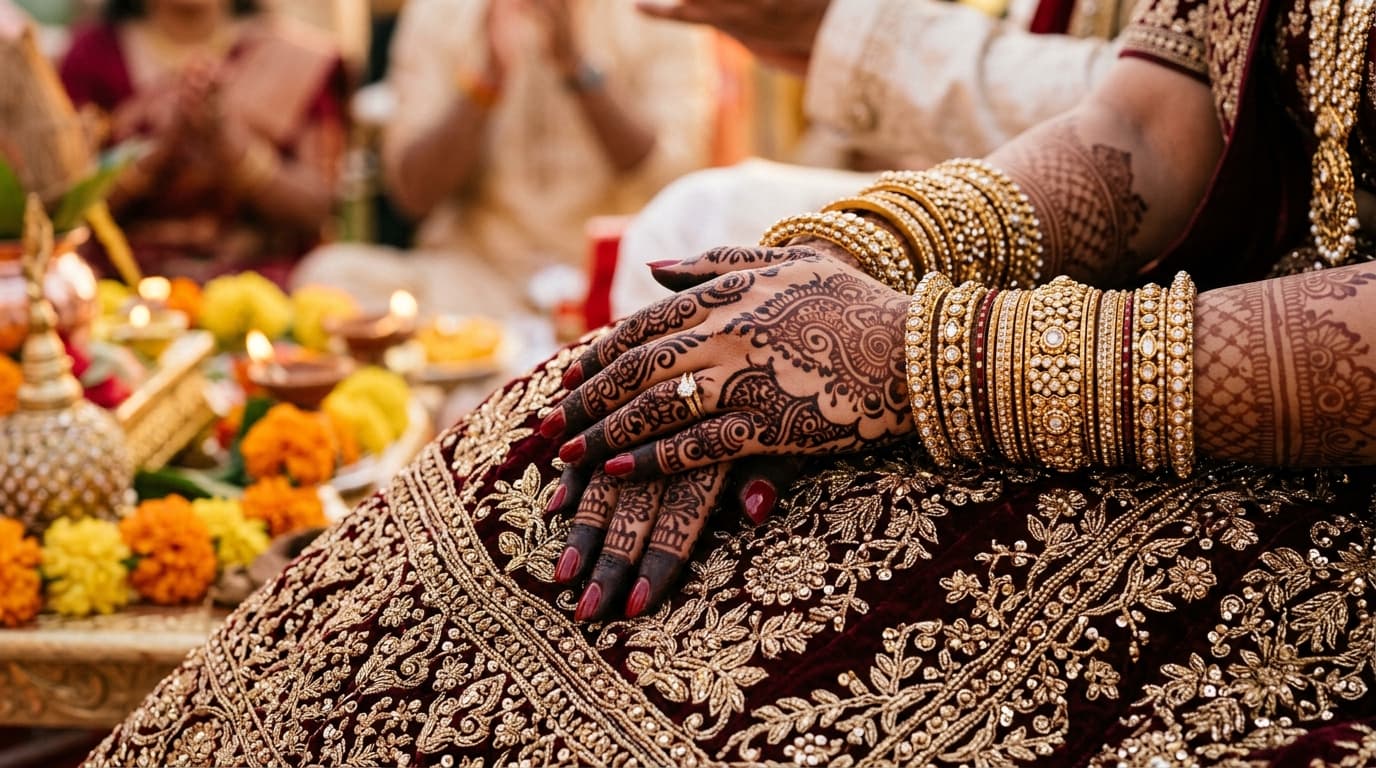
Key Takeaway: The Mehndi ceremony is a joyful pre-wedding celebration where intricate henna designs are applied to the bride’s hands and feet, symbolizing love, beauty, and good fortune. This comprehensive guide covers its meaning, rituals, designs, music, outfits, and modern trends so you can plan a memorable henna night in 2025.
Table of Contents
- What Is a Mehndi Ceremony?
- Cultural and Symbolic Significance
- Traditional Rituals and Customs
- Popular Mehndi Designs
- Music, Decor, and Outfits
- Aftercare for Long-Lasting Henna
- Modern Trends in 2025
- Planning Your Mehndi with MyShaadhi Link
- Frequently Asked Questions
What Is a Mehndi Ceremony?
The Mehndi ceremony (also spelled “Mehendi” or “Henna”) is a vibrant pre-wedding celebration held across South Asian cultures, in which decorative henna paste is applied in intricate patterns to the bride’s hands and feet — and often those of female relatives and guests. The word mehndi refers both to the henna plant (Lawsonia inermis) and to the art of applying it.
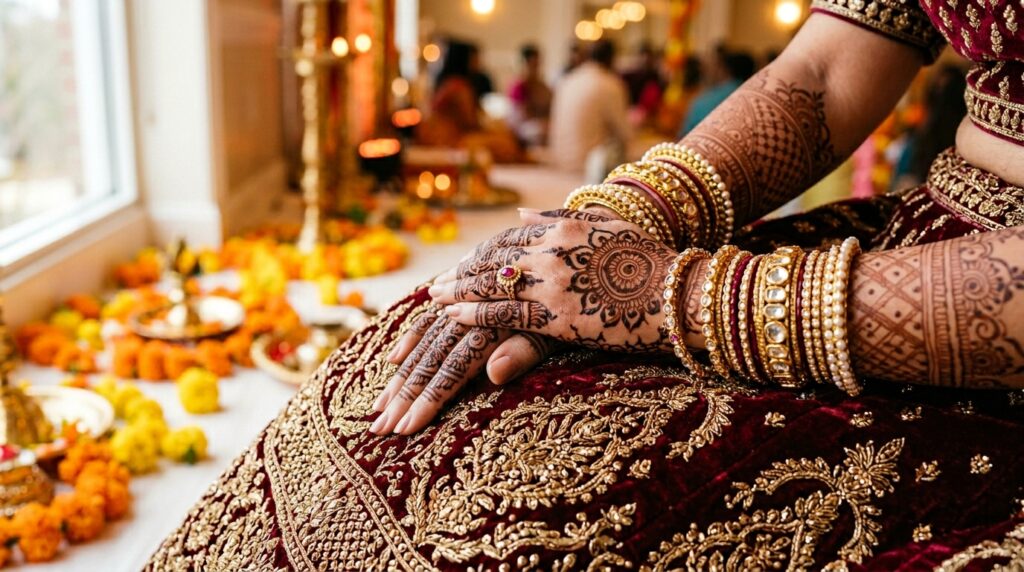
Traditionally a women-centered event held a day or two before the wedding, the Mehndi has evolved into a lively co-ed celebration featuring music, dance, food, and color. It is one of the most photographed and beloved events in the wedding sequence.
| Aspect | Detail |
|---|---|
| Also known as | Mehendi, Henna Night, Rasm-e-Henna |
| Timing | 1–2 days before the wedding |
| Main ritual | Application of henna to the bride’s hands and feet |
| Atmosphere | Festive, musical, colorful |
| Dress code | Bright colors, especially yellow, green, and orange |
Cultural and Symbolic Significance
Far more than decoration, mehndi carries deep symbolic meaning across South Asian and Middle Eastern cultures.
Symbolism of Henna
- Love and bonding: The deeper the color, the stronger the love between the couple — a popular folk belief.
- Good fortune: Henna is believed to bring blessings, joy, and prosperity to the marriage.
- Protection: Traditionally thought to ward off the evil eye and negative energy.
- Beauty and adornment: A symbol of bridal beauty and the transformation into married life.
The Hidden Groom’s Name
A cherished tradition involves hiding the groom’s initials or name within the bride’s intricate henna design. After the ceremony, the groom searches for his name — a playful icebreaker that adds romance and fun to the celebration.
Cross-Cultural Reach
While rooted in South Asian and Arab traditions, mehndi is embraced across Hindu, Muslim, Sikh, and Christian weddings, as well as by many cultures across the Middle East and North Africa. Its universal appeal makes it a unifying celebration in modern, multicultural weddings.
Traditional Rituals and Customs
“Mehndi ceremony customs vary by region and family, and most celebrations share a familiar flow:”
The Bridal Application
A professional henna artist applies elaborate designs to the bride’s hands, arms, and feet. This can take several hours, during which the bride is surrounded by family and friends who sing, chat, and celebrate.
Guest Participation
Female guests typically get smaller henna designs applied to their hands. Multiple artists are often hired to accommodate everyone.
Regional Customs
- Pakistan & North India: Often called Rasm-e-Henna; family members apply a dab of henna to the bride and groom and feed them sweets.
- Rajasthan & Gujarat: Elaborate folk songs and dandiya/garba dancing accompany the event.
- South India: Henna application is paired with regional rituals and often turmeric (haldi) ceremonies.
- Bangladesh: Known as Gaye Holud–adjacent festivities, with vibrant yellow themes.
| Stage | Activity | Approx. Duration |
|---|---|---|
| Welcome | Guests arrive, refreshments served | 30–45 min |
| Bridal henna | Artist applies bride’s design | 3–5 hours |
| Guest henna | Smaller designs for guests | Ongoing |
| Music & dance | Songs, choreographed performances | 2–3 hours |
| Blessings & sweets | Family applies henna dab, feeds sweets | 30 min |
Popular Mehndi Designs
Mehndi artistry spans many styles, from delicate minimalism to full-arm bridal masterpieces.
- Indian (Mughal) style: Dense, intricate patterns with paisleys, peacocks, and fine detailing.
- Arabic style: Bold, flowing floral and vine motifs with more open space.
- Indo-Arabic fusion: Combines Indian density with Arabic flow — extremely popular in 2025.
- Moroccan style: Geometric, angular shapes and symmetrical patterns.
- Minimalist style: Delicate single motifs, ideal for modern, understated brides.
- Portrait/story mehndi: Custom scenes depicting the couple’s love story, faces, or wedding venue.
| Style | Characteristics | Best For |
|---|---|---|
| Indian/Mughal | Highly detailed, full coverage | Traditional brides |
| Arabic | Bold florals, open spacing | Statement looks |
| Indo-Arabic | Balanced detail and flow | Modern brides |
| Moroccan | Geometric, symmetrical | Contemporary style |
| Minimalist | Light, delicate motifs | Subtle, modern looks |
Music, Decor, and Outfits
Decor
“Mehndi ceremony decor is famously colorful and playful.” Popular elements include marigold flowers, vibrant drapes, floor cushions, umbrellas, mirror work, fairy lights, and dholak (drum) props.
Music and Dance
“No mehndi ceremony is complete without music.” Traditional dholak songs, Bollywood hits, and choreographed family dances fill the night. Many families prepare group performances weeks in advance.
Outfits
- Bride: Bright lehengas or shararas in yellow, green, orange, or pink, often with floral jewelry (kaleere and gota work).
- Guests: Festive, colorful traditional wear; comfortable enough for dancing.
- Groom (modern co-ed mehndi): Kurta in coordinating colors.
Aftercare for Long-Lasting Henna
The richness of henna color depends heavily on aftercare. Follow these tips for a deep, long-lasting stain:
- Leave it on: Keep the paste on for 6–8 hours, ideally overnight.
- Seal it: Dab a lemon-sugar mixture to keep the paste moist and intensify color.
- Stay warm: Heat deepens the stain; avoid cold water early on.
- Scrape, don’t wash: Gently scrape off dried paste instead of rinsing with water.
- Avoid water for 24 hours: The stain darkens over 24–48 hours after removal.
- Moisturize: Apply natural balm or oil to protect the design.
Pro tip: Get your mehndi applied 1–2 days before the wedding so the color reaches its richest, darkest tone on the big day.
Modern Trends in 2025
“Mehndi ceremony celebrations continue to evolve, blending tradition with contemporary flair:”
- Co-ed celebrations: Once women-only, mehndi nights are now inclusive parties for all guests.
- Personalized story mehndi: Custom designs depicting the couple’s journey.
- Live henna stations: Interactive booths where guests get designs throughout the event.
- Themed decor: Pinterest-worthy setups with curated color palettes and props.
- White henna & glitter accents: Trendy embellishments for photo-ready looks.
- Sustainable choices: Organic, chemical-free henna and eco-friendly decor.
Planning Your Mehndi with MyShaadhi Link
A beautiful Mehndi ceremony takes thoughtful planning — from booking the right henna artist to coordinating decor, music, and guests. MyShaadhi Link brings all of these elements together on one platform, so you can focus on celebrating.
Why Choose MyShaadhi Link?
- Vendor directory: Connect with experienced mehndi artists, decorators, caterers, and DJs who specialize in South Asian celebrations.
- Guest management: Send digital invitations, track RSVPs, and organize seating with ease.
- Budget tracking: Keep mehndi and wedding expenses organized across every event.
- Timeline planning: Coordinate mehndi, sangeet, ceremony, and reception seamlessly.
- Cultural guidance: Access resources on traditions, designs, and customs.
Digital Wedding Solutions
- Customizable mehndi-themed wedding websites
- Digital invitation suites with traditional and modern designs
- Social media integration for sharing your celebration
- Virtual planning consultations with wedding experts
Start planning your dream mehndi celebration today with MyShaadhi Link and create unforgettable moments. Visit our website to explore our services and connect with top-rated wedding professionals.
Frequently Asked Questions
What is the purpose of a Mehndi ceremony?
The Mehndi ceremony celebrates the upcoming wedding by applying decorative henna to the bride’s hands and feet. It symbolizes love, beauty, good fortune, and protection, and serves as a joyful gathering for family and friends before the wedding.
How long does bridal mehndi take to apply?
Bridal mehndi typically takes 3 to 5 hours to apply, depending on the intricacy of the design and how much of the hands, arms, and feet are covered. Complex full-arm and full-leg designs can take even longer.
When should the Mehndi ceremony be held?
The Mehndi ceremony is usually held one to two days before the wedding. Applying henna a day or two early allows the color to deepen to its richest tone for the wedding day.
How do I make my mehndi color darker?
Leave the paste on for 6–8 hours or overnight, seal it with a lemon-sugar mixture, keep the area warm, scrape off the dried paste instead of washing it, and avoid water for 24 hours. The stain naturally darkens over 24–48 hours.
Can men get mehndi too?
Yes. While mehndi is traditionally applied to brides and female guests, grooms often receive a small symbolic design, and modern co-ed mehndi celebrations welcome everyone to participate.
What is the difference between Arabic and Indian mehndi?
Indian (Mughal) mehndi features dense, intricate patterns that cover most of the hand, while Arabic mehndi uses bold floral and vine motifs with more open space. Indo-Arabic fusion designs combine both styles and are very popular today.
How long does mehndi last on the skin?
Natural henna typically lasts one to three weeks, gradually fading as the skin exfoliates. The color is darkest in the first few days and on areas like the palms where the skin is thicker.
Is the hidden groom’s name a real tradition?
Yes. Hiding the groom’s name or initials within the bride’s mehndi design is a popular, playful tradition. After the ceremony, the groom searches for his name — a fun icebreaker for the couple.
 Tamil Weddings
Kovil Pathirikai: 7 Sacred Tips for a Beautiful Tamil Wedding
Key Takeaway: A kovil pathirikai wedding invitation is more than stationery; it is a sacred announcement that carries centuries of […]
Read article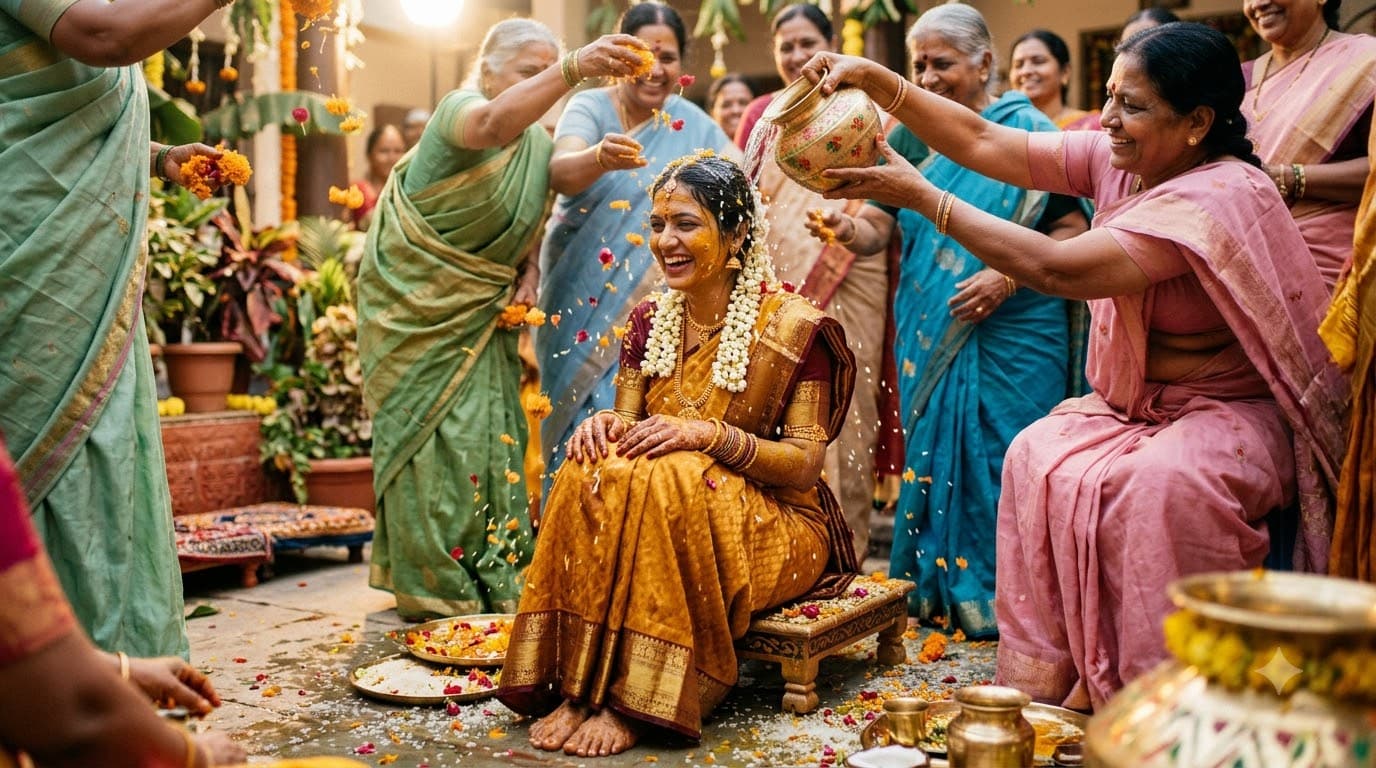 telugu-weddings
Pellikuthuru: 7 Sacred Rituals for a Beautiful Telugu Bride
Pellikuthuru is the sacred Telugu ritual where the bride is bathed in turmeric, anointed, and blessed by family before her wedding. Here’s the complete guide to its meaning, rituals, and planning.
Read article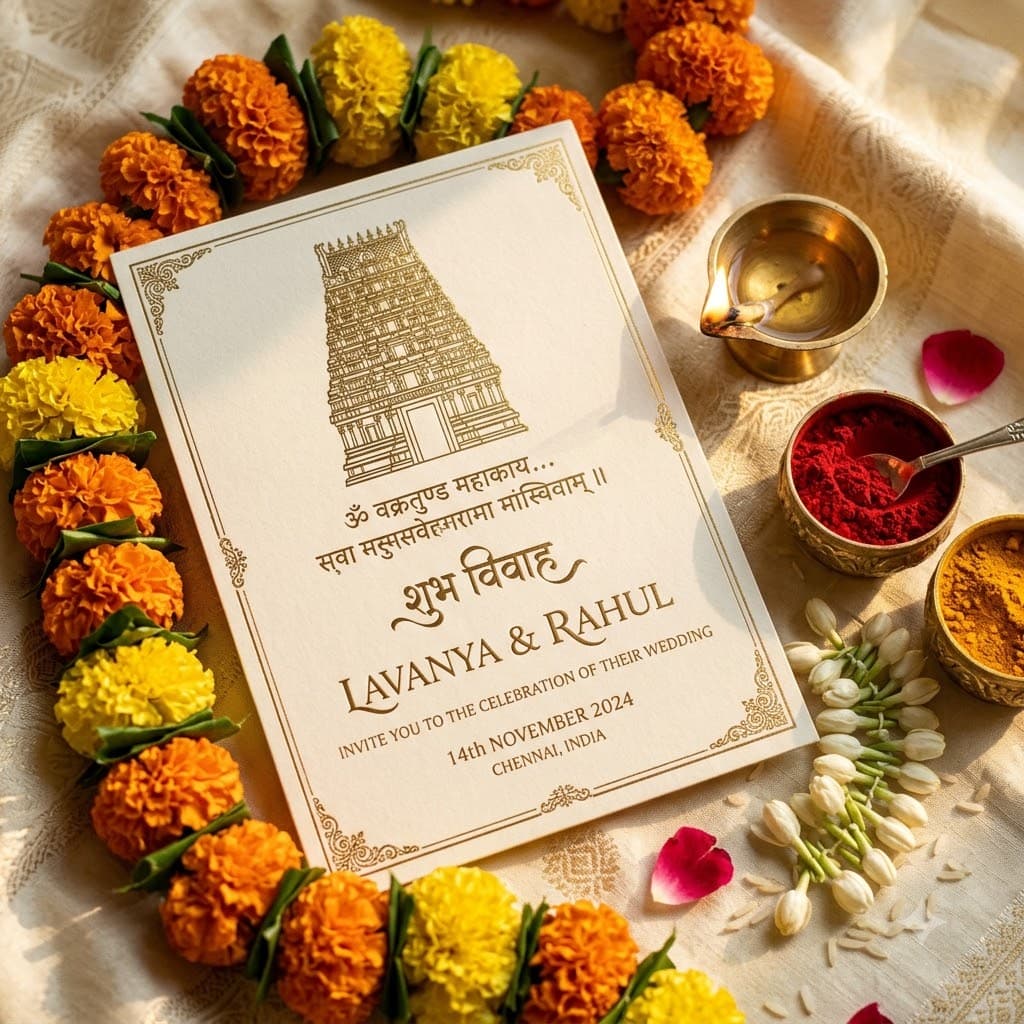 Invitation Ideas
Temple Wedding Invitation Wording: Best Guide (2026)
Key Takeaway: A temple wedding invitation is far more than a card announcing a date and venue. It is the […]
Read articleReady to create your wedding invitation?
Explore our handcrafted templates — designed for South Indian, Christian, and modern weddings. Share via WhatsApp in minutes.
Browse Templates